


1 minute
Blotch Bass Syndrome: What you can do to help
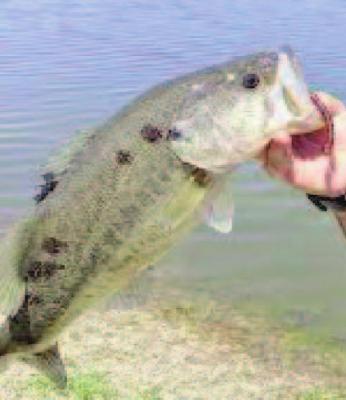
Texas Parks and Wildlife is asking anglers to report any bass they catch if they have “ink-like” spots on them. If you catch a bass with these spots, please snap a pic and report location to cynthia.fox@tpwd.texas.gov.
Researchers are collecting data on hyperpigmentation/ melanosis, a.k.a. Blotchy Bass Syndrome, in freshwater bass species associated with a virus.
The virus has never been identified in humans or common domestic pets. As long as the fish are in good condition, they’re safe to handle and eat if cooked properly.
A report from 2021 by the U.S. Geological Survey said although the spots have been recognized for many years, the cause of the lesions are unknown. However, gene sequencing found the new viral family Adomaviridge, which has been associated with disease in other fish species.
Whatever the cause of black bass blotching, it is becoming more common in reservoirs and ponds. There seems to be no reason to worry about the health or edibility of blotchy bass, but if your pond bass are showing increased black markings, it may reveal a need to more carefully land, handle, and release healthy fish.