


Sabine County Woman of the Year: Lucille Wright Jarrell inducted into VFW
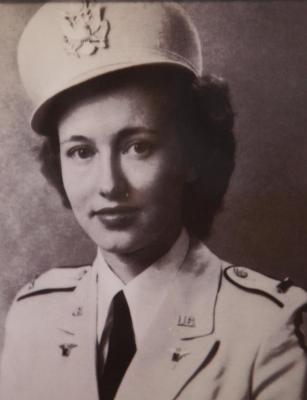

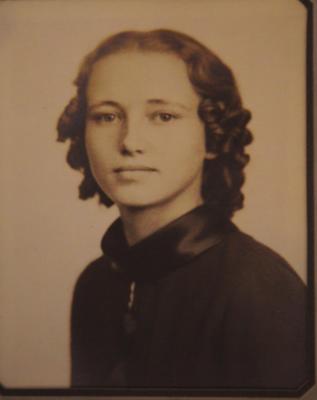
If you have not had the great pleasure of meeting Sabine County Woman of the Year, Lucille Jarrell, you are missing out on one of the most fascinating ladies of any generation. Born Lucille Wright on Feb. 28, 1921 in Alberta, Canada, Lucille was six-years-old when the family moved to Oklahoma and began to farm. After completing school, she entered Nurse’s training in Enid, OK from 1939-1942.
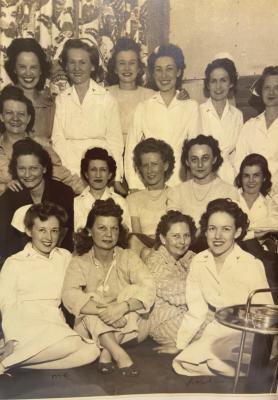
When WWII broke out, Lucille remembers hearing it on the radio. She and seven others from her nursing classes made the decision to join the ranks. Camp Livingston in Louisiana became their home. They enlisted and began bootcamp where they learned to march and become soldiers. There was a library that provided both recreational reading and knowledge. Courses in military courtesy were given to the nurses as well as hiking, gas mask drills and surgical training. It was here where Lucille met Lorieta Jarrell, her roomate and lifelong best friend. They would eventually become family, sisters-in-law.
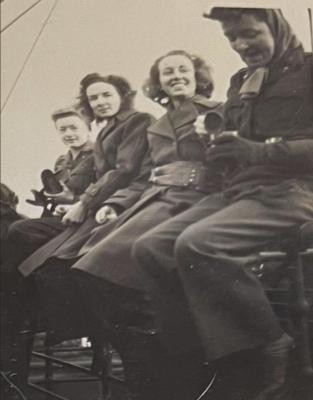
Training took the better part of a year, and after that time at Camp Livingston, the whole station moved by train to Brownwood, SC for the right uniforms, equipment and other items necessary to be outfitted to travel overseas. The nurses each had to join the Red Cross to be a part of the army, so Lucille and Lorieta did so with all the others traveling from Camp Livingston. From there, they departed Boston to Ireland.
In a diary entry she mailed home, Lucille gave account of the trip.
“My friend LaVohn went over on the Queen Elizabeth and I went overseas on the U.S.S. Argentina with the 279th State Hospital staying in each state room.
We were given meal tickets designating the time that we would report to the dining room for meals. The food was excellent and we even had a choice of foods on the menu.
For most of us it was a vacation, but so many of the passengers were sea sick that you could either join them or become amused at watching them leave one by one. Anyway, I managed to stay and enjoy every meal.
The Mae West was a must and we wore it at all times. (Please elaborate at what the Mae West was) Each day it was routine to have one or more boat drills.Personnel in each state room were assigned to a boat and we would all report at the designated place when the boat drill siren sounded. Fortunately we did not need to abandon ship, but it was nice to know what to do in caseof an emergency,
We went over in a Convoy of 15 ships and one of our favorite past times was watching the other ships.
We also played shuffleboard, listened to band concerts, movies and church services were also available.
Each day there were new rumors such as that some one was sub-marine chasing us orhad gone overboard etc. It was rumored that lemon drops would prevent seasickness so everyone had a large bag of those.
It was an exciting day when we landed in the Firthof Clyde (which is Scotland) after 12days of being at sea. We were required to sit in harbor 2 days before we departed foom the ship.We could see a church upon the hill and hear music.
When we did depart from the ships the bands were playing and Scotsmen were doing their dances & playing bagpipes.We then boardeda troup train and were given C rations to last until we reached our destination which was Abergavenny,Wales.
Abergavenny was a small village and our 279th Station Hospital was located in a valley which was a very scenic location.” More next week about military nurse and 1st Lt. Lucille
More next week about military nurse and 1st Lt. Lucille Wright Jarrell.